Society Failing the Disabled
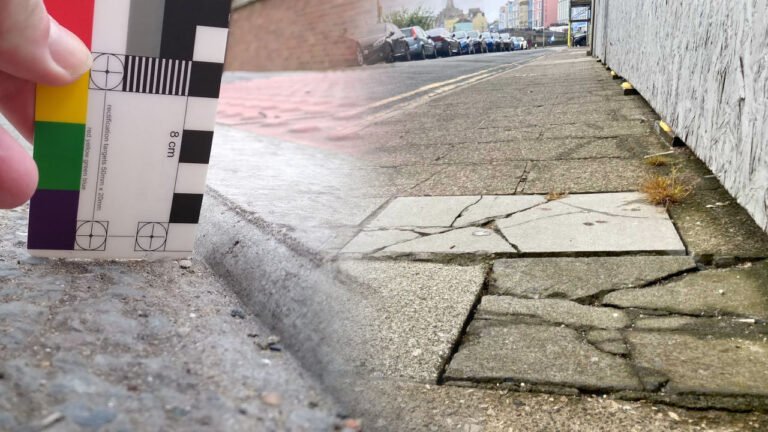
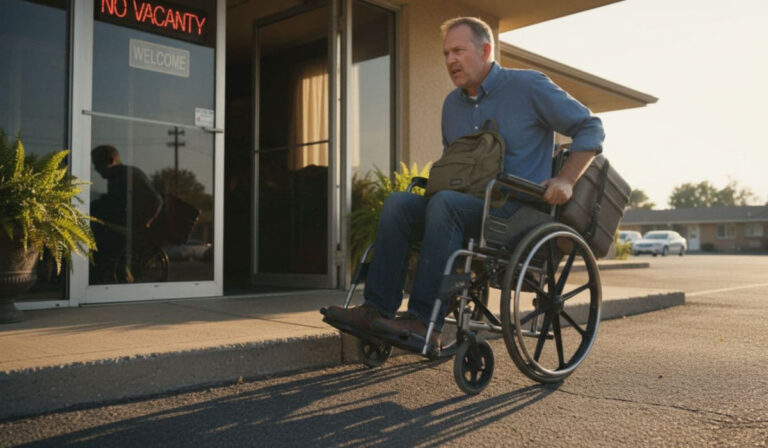
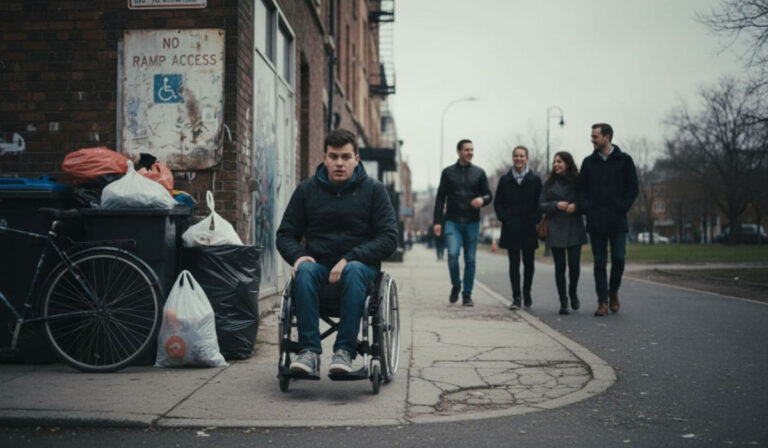
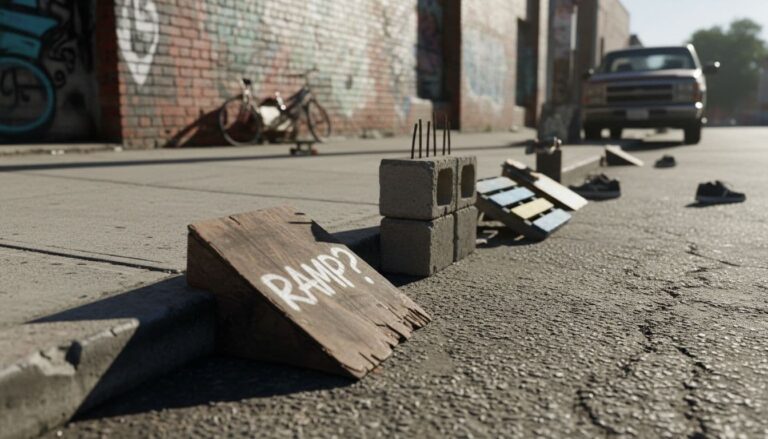
Accessibility is not a privilege or a luxury—it is a fundamental right. Yet, everywhere you look, disabled people are met with barriers that scream disrespect. From uneven, cracked pavements to major healthcare and retail facilities, the message being sent to disabled individuals is clear: accessibility is still an afterthought.
Despite the Equality Act 2010 legally mandating reasonable adjustments, daily life tells a very different story:
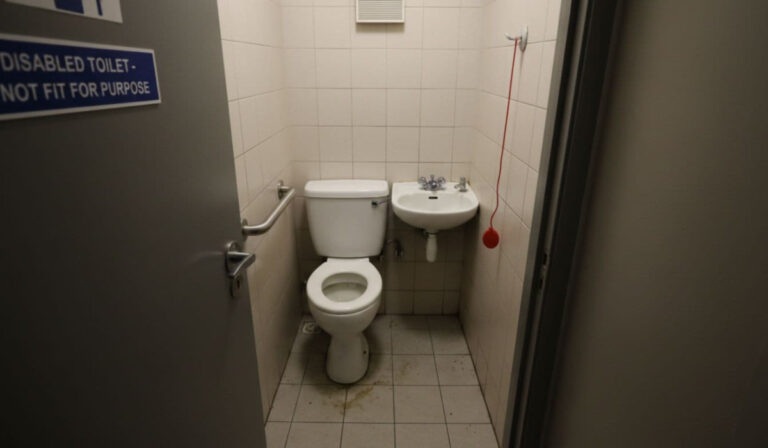
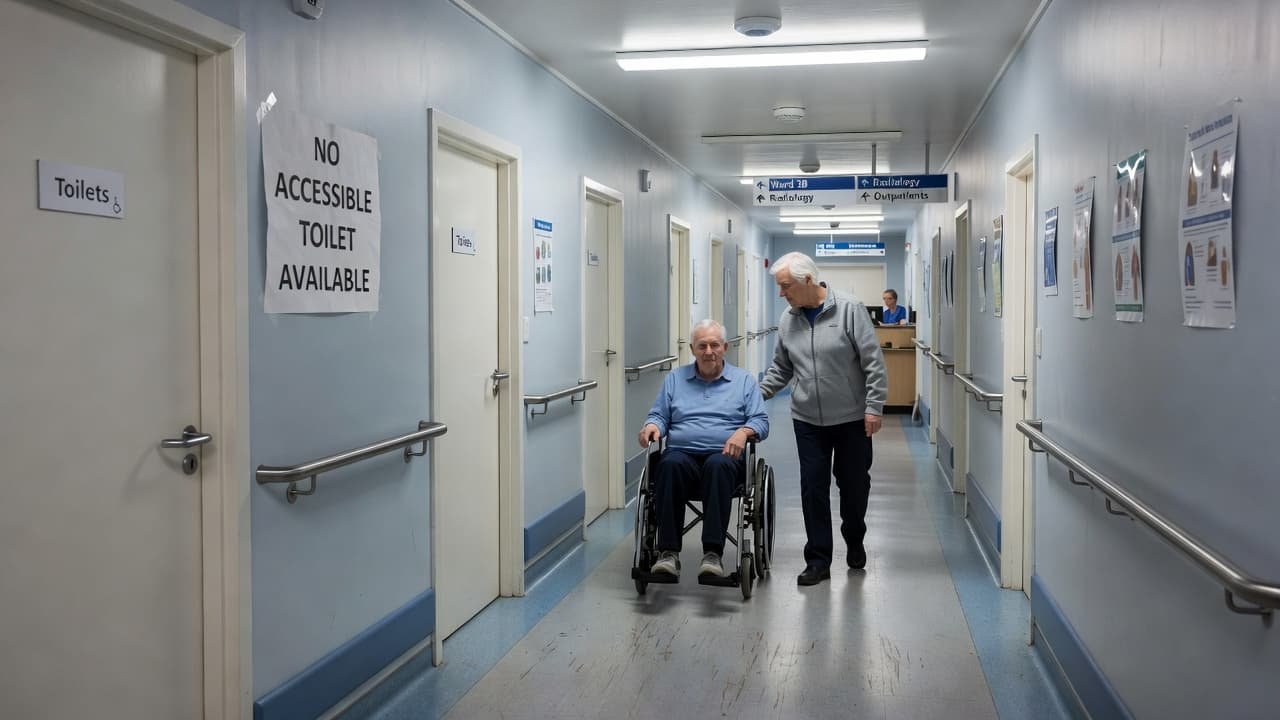
- My Local Hospital: Wheelchair users face an appalling lack of basic facilities on the second floor, with no disabled toilet available and no air conditioning to handle sweltering temperatures.
- Specsavers: Powerchair users face constant struggles to manoeuvre inside consultation rooms. When a store has to strip out virtually all its furniture just so a wheelchair can barely reach a testing machine, the space was never designed with inclusion in mind.
- My Doctors Surgery: Narrow doorways turn routine care into a humiliating ordeal. Being forced to have blood tests drawn in a public hallway in full view of the waiting room strips patients of their basic right to medical privacy and dignity.
Disability is not a modern phenomenon; it has been part of the human experience since day one. To still be fighting for wider doorways, accessible private clinical rooms, and accessible toilets in 2026 is inexcusable!
Systemic exclusion causes genuine distress and compromises health. Service providers, NHS trusts, and high-street businesses must move beyond token gestures and start actively auditing their spaces with real disabled voices at the table. Until accessibility is built into the blueprint of every public space, the disabled will always feel like second class citizens!