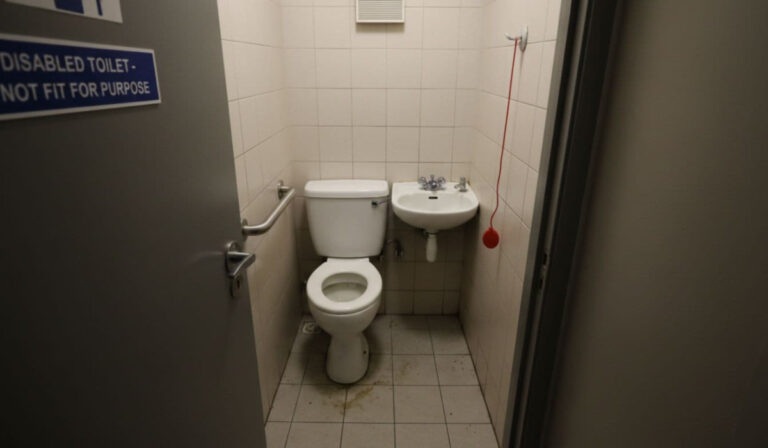
Fit For Purpose?
For millions of people across the UK, poorly maintained and badly designed footpaths can create serious hazards, particularly for people who use wheelchairs. Although legal requirements for dropped kerbs and pavements are in place, much of the UK’s pedestrian infrastructure still fails to provide safe, reliable access – and lets face it, councils don’t even follow said requirements!
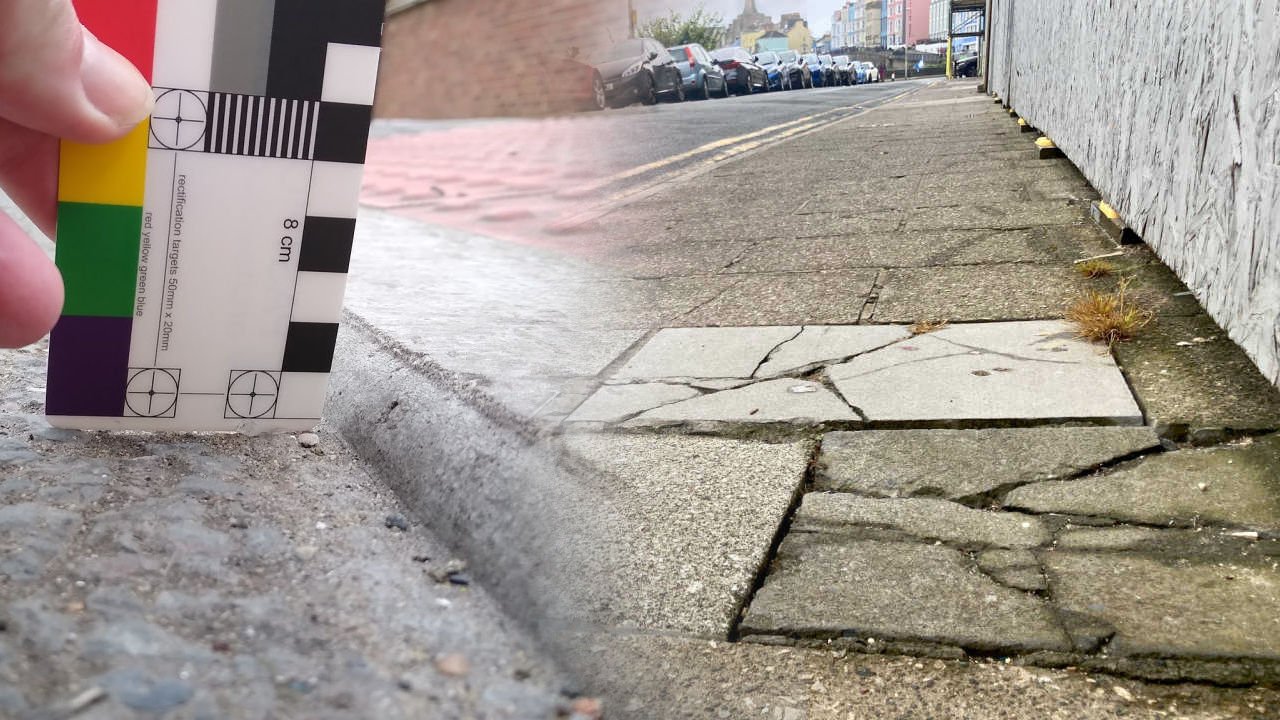
Poorly installed dropped kerbs are a major cause for concern. Dropped kerbs should allow people to move easily and smoothly between the pavement and the road. A lip of barely more than just half an inch can make a crossing unnecessarily uncomfortable for someone using a wheelchair or powerchair.
Councils must improve installation and inspection standards. Their staff and contractors need a clear instruction: flush means flat. A dropped kerb should meet the road surface at the same level, without a raised edge or uneven join.
Accessible pavements are a basic civil right, not an optional improvement. Until councils require dropped kerbs to be installed correctly and check the finished work, thousands of disabled people will continue to face unnecessary barriers to independent travel.
Key Standards and Recommendations
- Maximum Upstand…. The lowered, flat section of the kerb where it meets the road surface must ideally sit level (0 mm) or reach an absolute height limit of no more than 6 mm (but preferably flush) so wheelchair users can cross with minimal jolting.
The idea that society views disabled people as “second-class citizens” is often met with immediate, defensive denial. Most people like to believe they are empathetic, inclusive, and supportive. Yet, underlying everyday interactions, public policy, and institutional design is a subtle, pervasive reality: the needs of disabled individuals are routinely treated as an afterthought.
This systemic neglect probably isn’t rooted in conscious malice but rather in a pervasive culture of self-absorption. In a fast-paced world, most people are so thoroughly wrapped up in their own daily demands, ambitions, and conveniences that the access requirements of others simply fail to register. True inclusion demands effort, resources, and structural reform. When those requirements inconvenience the majority, sympathy quickly gives way to indifference.