What, No Wheelchairs?
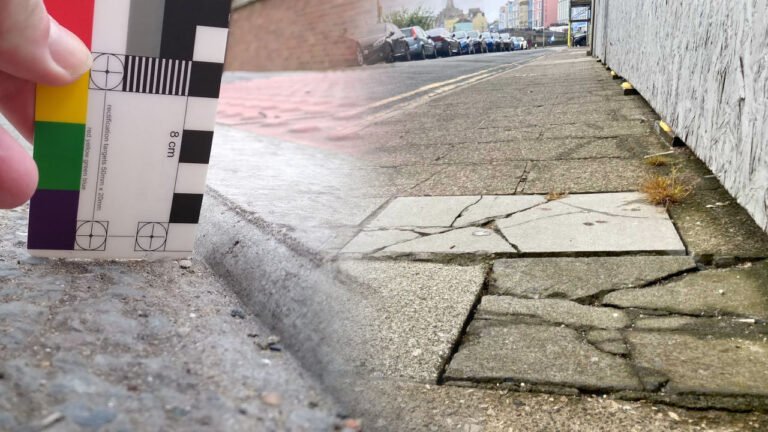
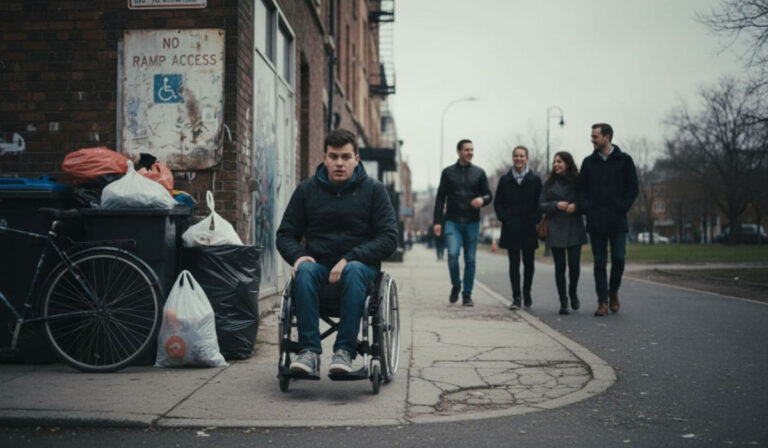
Rolling down the street in a wheelchair shouldn’t feel like navigating an obstacle course, yet across the country, broken paving slabs, deep cracks, and uneven surfaces create constant challenges and discomfort for wheelchair users. It doesn’t take long to realise why you don’t see more disabled people out and about. Poor footpaths trap people in their own homes.
Missing Dropped Kerbs
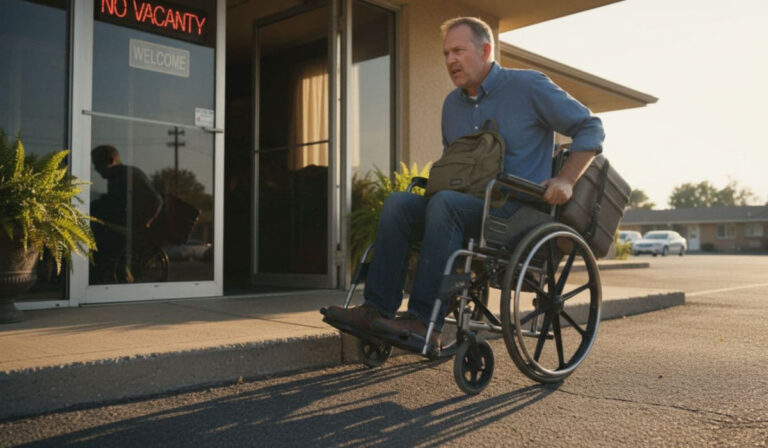
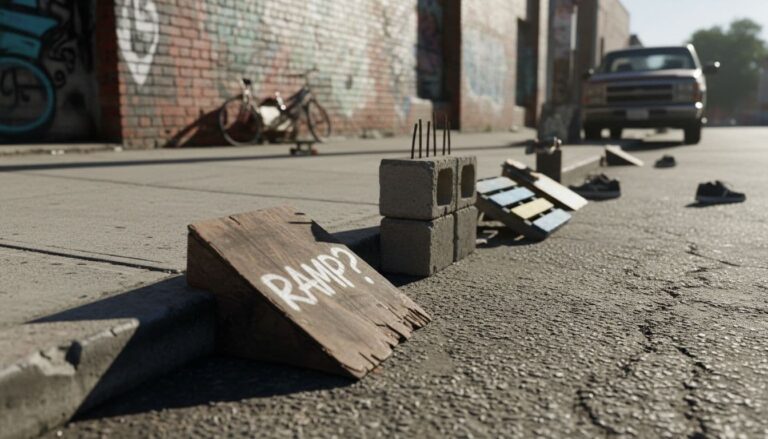
A major barrier on our footpaths is the complete lack of dropped kerbs. Without them, anyone using a mobility device or pushing a pram is forced to travel along busy roads to find a safe place to cross. This doesn’t just cause delay… it is extremely unsafe. Street layout should bring communities together, not build physical barriers that isolate people.
Standards Are Ignored
Even where dropped kerbs do exist, most don’t meet basic legal requirements. They are often far too steep, feature harsh lips, or lack tactile paving for visually impaired pedestrians. As one local campaigner noted, “An inaccessible street is effectively a locked door to disabled residents.” Local councils have a clear duty of care, yet accessibility rules are routinely ignored during routine street maintenance.
Time for Change
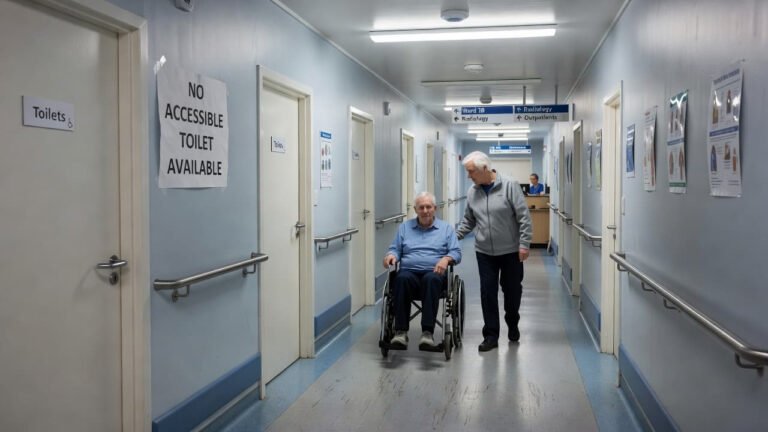
Modern infrastructure was simply not built with universal accessibility in mind. For centuries, towns, public spaces, and institutions were designed by and for non-disabled people, leaving physical steps, narrow doorways, and rigid political systems deeply ingrained in everyday life.
Making changes to these established environments takes considerable time, political will, and substantial investment, meaning disabled people constantly navigate a world where true access is treated as an afterthought rather than a foundational requirement.
While public awareness and legal standards are gradually evolving, the reality remains that systemic barriers still restrict independence and equal participation across nearly every aspect of society.