Where Is Everybody?
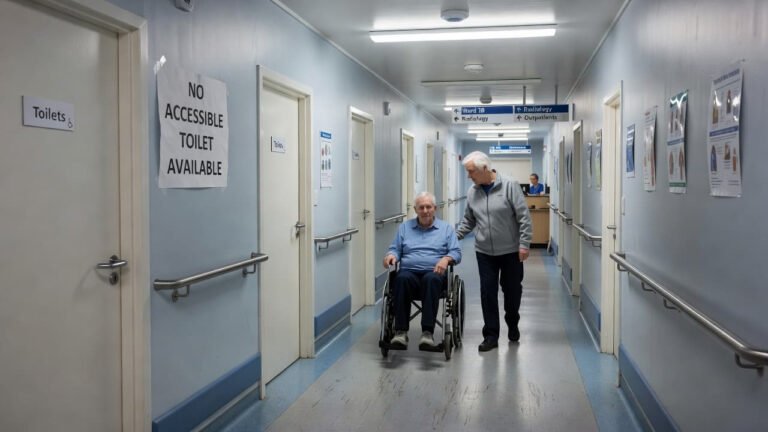
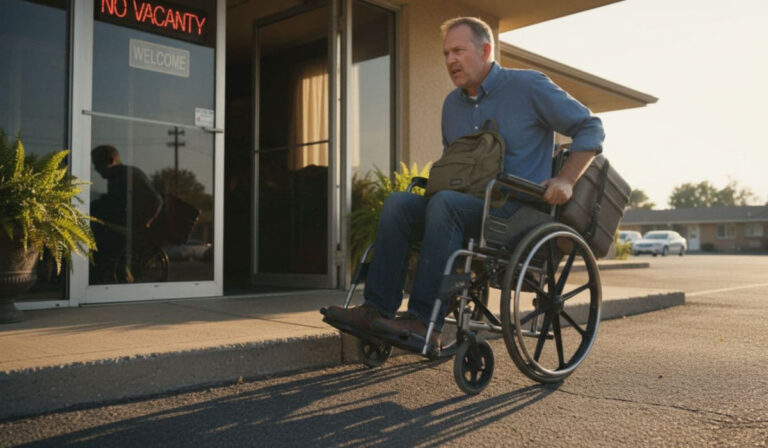
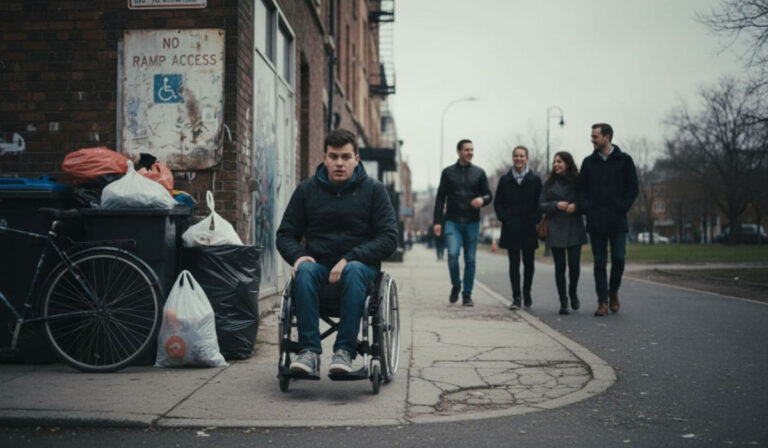
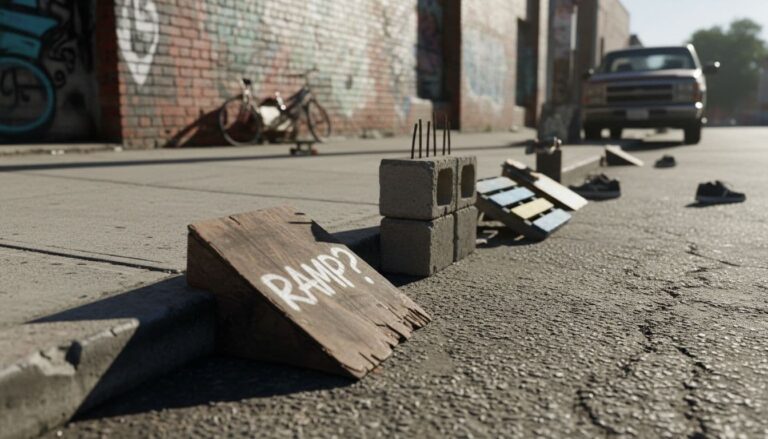
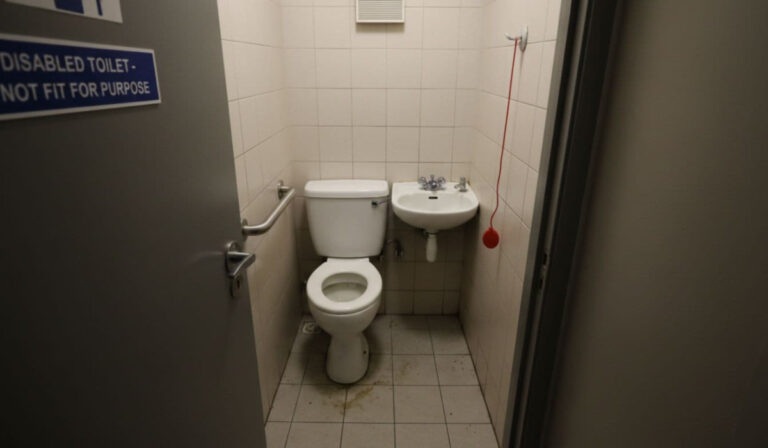
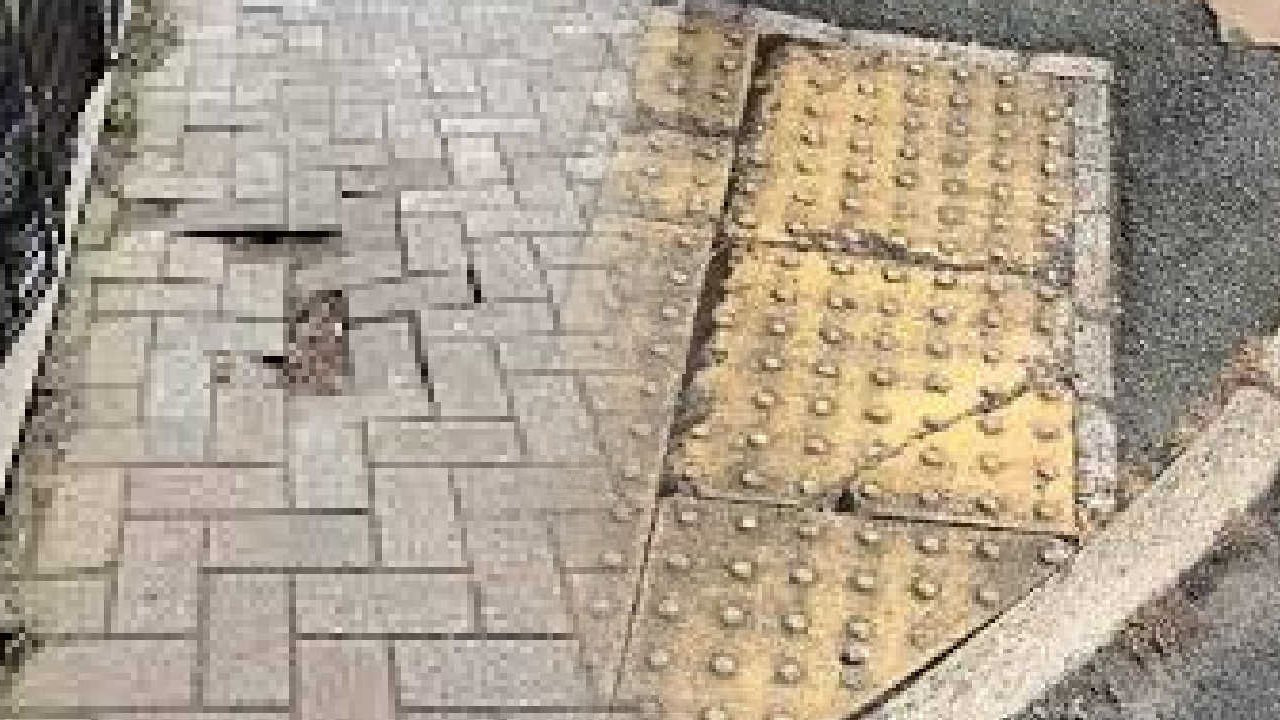
Walking down the street shouldn’t feel like navigating an obstacle course. Across the country, broken paving slabs, deep cracks, and uneven surfaces create constant challenges and discomfort for wheelchair users. It doesn’t take long to realise why you don’t see more disabled people out and about. Poor footpaths trap people in their own homes.
Missing Dropped Kerbs
A major barrier on our footpaths is the complete lack of dropped kerbs. Without them, anyone using a mobility device or pushing a pram is forced to travel along busy roads to find a safe place to cross. This doesn’t just cause delay… it is extremely unsafe. Street layout should bring communities together, not build physical barriers that isolate people.
Standards Are Ignored
Even where dropped kerbs do exist, most don’t meet basic legal requirements. They are often far too steep, feature harsh lips, or lack tactile paving for visually impaired pedestrians. As one local campaigner noted, “An inaccessible street is effectively a locked door to disabled residents.” Local councils have a clear duty of care, yet accessibility rules are routinely ignored during routine street maintenance.
Time for Change
Our public spaces belong to everyone, not just motorists. Fixing broken footpaths is vital for public health, safety, and independence. Local councils must inspect streets properly, repair dangerous surfaces, and ensure 100% of crossings meet national standards. Accessible streets create a fairer society for every member of the community.