
Buses
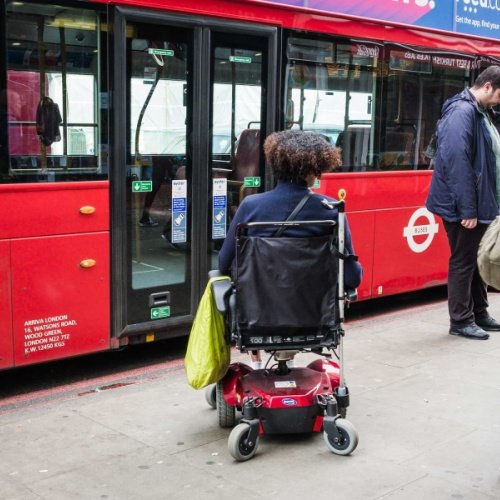
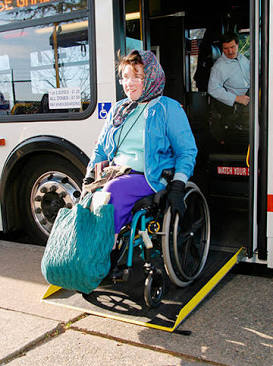
Catching a bus should be a simple task, but for millions of disabled people, it’s a daily battle. Even though the law states that all buses must be wheelchair accessible, the reality on our streets is very different. Many public transport vehicles still aren’t fit for purpose, leaving people stranded on the pavement. It isn’t just frustrating… it’s a direct barrier to independent living.
The Gap Between Law and Reality
Under national laws, every single local bus should have a working ramp and a dedicated wheelchair space. Yet, countless people face broken ramps, blocked spaces, or drivers who don’t know how to deploy the equipment. One disabled passenger recently shared their frustration, stating “I’ve been left at the bus stop in the freezing rain because the ramp mechanism didn’t work.”
This isn’t an isolated event. Many transport firms don’t maintain their fleets properly. This leads to a situation where 100% legal compliance on paper translates to a much lower success rate in real life.
Why Accessibility Matters
Public transport is a vital lifeline. Without it, people can’t get to work, attend medical appointments, or see their families. When we look at transport networks across the world, we see that societies thrive when everyone can participate. When bus operators fail to provide working ramps, they don’t just break the law… they isolate people from their communities.
What Needs to Change
It’s time for transport authorities to step up. We don’t just need regulations… we need strict enforcement and heavy fines for companies that fail to comply. Every journey matters, and until 100% of our fleet is fully functional, equal travel remains out of reach.